
Comparing In-Ear and Over-Ear Headphones: Which Is Better?
When it comes to choosing the perfect headphones, the decision often boils down to two main types: in-ear and over-ear headphones. Each type has its own unique advantages and disadvantages, making the choice a personal one based on individual preferences and needs. In this article, we will explore the key differences between in-ear and over-ear headphones, helping you make an informed decision for your audio experience.
Understanding In-Ear Headphones
In-ear headphones, also known as earbuds, are compact and designed to fit snugly inside the ear canal. Their small size makes them incredibly portable, allowing users to easily carry them in pockets or small cases. One of the primary benefits of in-ear headphones is their ability to provide passive noise isolation, which can enhance the listening experience in noisy environments by blocking out external sounds.
However, while in-ear headphones are convenient, they may not be suitable for everyone. Some users find them uncomfortable after prolonged use, as they can create pressure in the ear canal. Additionally, the sound quality can vary significantly between different models, with some offering impressive bass response while others may lack depth and clarity.
Exploring Over-Ear Headphones
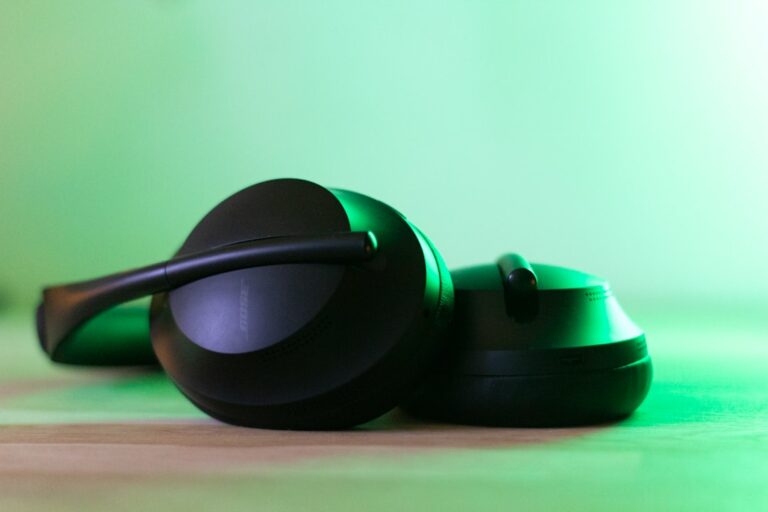
Over-ear headphones, on the other hand, are larger and designed to encompass the entire ear. This design not only provides a comfortable fit for extended listening sessions but also enhances sound quality by creating a more immersive audio experience. The larger drivers in over-ear headphones typically deliver richer sound with better bass response, making them a popular choice among audiophiles and music enthusiasts.
Despite their advantages, over-ear headphones come with some drawbacks. Their bulkier design makes them less portable, which can be a concern for users who are always on the go. Additionally, they can be warmer to wear, especially in hot weather, as they do not allow for as much airflow around the ears compared to in-ear options.
Sound Quality Comparison
When it comes to sound quality, both in-ear and over-ear headphones have their strengths. In-ear headphones can provide a surprisingly good audio experience, especially higher-end models that utilize advanced technology to enhance sound clarity and bass response. However, they often lack the depth and richness that over-ear headphones can deliver due to their larger drivers and design.
Over-ear headphones excel in sound quality, often providing a more balanced audio profile with a wider soundstage. This makes them ideal for critical listening, where detail and clarity are paramount. Users who prioritize sound quality for music production, gaming, or movie watching may find over-ear headphones to be the superior choice.
Comfort and Fit Considerations
Comfort is a crucial factor when selecting headphones, as the right fit can significantly enhance your listening experience. In-ear headphones come with various ear tip sizes, allowing users to find a fit that suits their ear shape. However, some individuals may experience discomfort after extended use, particularly if the earbuds do not fit well or if they are worn for long periods.
Over-ear headphones generally provide a more comfortable fit for long listening sessions, as they do not exert pressure directly on the ear canal. The cushioning around the ear cups can help distribute weight evenly, reducing fatigue. However, users with larger ears may find some models to be restrictive, so it’s essential to try them on before making a purchase.
Step-by-step plan:
Step 1: Determine your primary use for the headphones, whether it’s for casual listening, gaming, or professional audio work. Step 2: Consider your comfort preferences and how long you plan to wear the headphones. Step 3: Research different models and read reviews to compare sound quality and features. Step 4: Test both in-ear and over-ear options to find the best fit for your ears and lifestyle.